
10 Effective Tips for Hydrating Your Skin Naturally

Dry, flaky skin can feel uncomfortable and dull. Keeping your skin hydrated is essential for a healthy, glowing complexion. While many products promise quick fixes, natural methods often provide lasting hydration without harsh chemicals. This post shares 10 practical tips to help you hydrate your skin naturally and maintain its softness and elasticity.

Drink Plenty of Water Every Day
Water is the foundation of skin hydration. When your body lacks fluids, your skin becomes dry and tight. Aim to drink at least 8 glasses of water daily. You can also include herbal teas or infused water with cucumber and mint for added flavor and benefits. Staying hydrated from the inside supports your skin’s moisture balance.
Use Natural Oils for Moisturizing
Natural oils like coconut oil, jojoba oil, and almond oil are excellent for locking in moisture. These oils contain fatty acids that nourish the skin barrier and prevent water loss. Apply a small amount to damp skin after showering to seal in hydration. For example, coconut oil works well for dry patches, while jojoba oil suits oily or combination skin.
Apply Aloe Vera Gel Regularly
Aloe vera gel is known for its soothing and hydrating properties. It contains vitamins and antioxidants that help repair the skin and maintain moisture. Use pure aloe vera gel as a light moisturizer or mix it with your favorite natural oils for extra hydration. Aloe vera also helps calm irritated or sunburned skin.
Incorporate Hydrating Foods into Your Diet
Certain foods boost skin hydration from within. Water-rich fruits and vegetables like watermelon, cucumber, oranges, and strawberries provide vitamins and antioxidants that support skin health. Omega-3 fatty acids found in salmon, flaxseeds, and walnuts help maintain the skin’s lipid barrier, reducing dryness.

Avoid Hot Showers and Long Baths
Hot water strips natural oils from your skin, leading to dryness. Use lukewarm water instead and keep showers short, around 5 to 10 minutes. After bathing, gently pat your skin dry with a towel instead of rubbing. This helps retain moisture and prevents irritation.
Use a Humidifier in Dry Environments
Indoor heating and air conditioning can dry out the air, which affects your skin. Using a humidifier adds moisture to the air, helping your skin stay hydrated. This is especially useful during winter months or in dry climates. Keep the humidifier clean to avoid bacteria buildup.
Choose Gentle, Natural Cleansers
Harsh soaps and cleansers can strip your skin of its natural oils. Opt for gentle, fragrance-free cleansers with natural ingredients like oatmeal, honey, or chamomile. These ingredients cleanse without drying and soothe sensitive skin. Avoid products with alcohol or sulfates.
Exfoliate Gently to Remove Dead Skin
Removing dead skin cells allows moisturizers to penetrate better. Use a gentle exfoliant once or twice a week. Natural options include sugar scrubs or oatmeal masks. Avoid over-exfoliating, which can damage the skin barrier and cause more dryness.
Protect Your Skin from the Sun
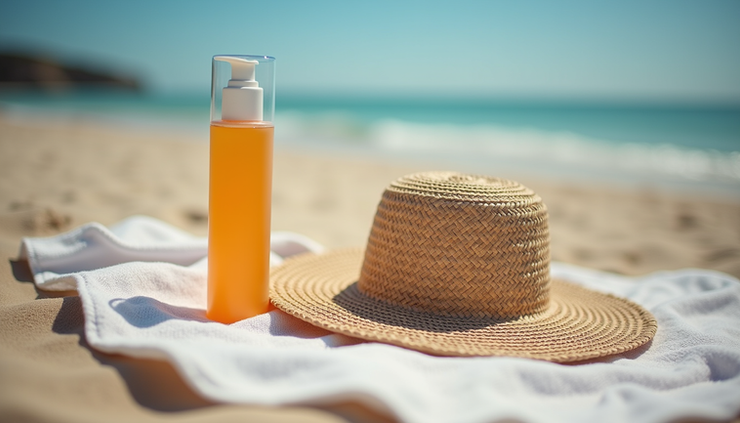
Sun exposure damages the skin and depletes moisture. Use a natural sunscreen with zinc oxide or titanium dioxide to protect your skin daily. Wearing hats and seeking shade during peak sun hours also helps prevent dehydration and premature aging.
Get Enough Sleep and Manage Stress
Sleep allows your skin to repair and regenerate. Lack of sleep can cause dryness and dullness. Aim for 7 to 9 hours of quality sleep each night. Stress also affects skin hydration by triggering inflammation and hormonal changes. Practice relaxation techniques like meditation or yoga to support healthy skin.
Hydrating your skin naturally requires a combination of good habits and mindful choices. Drinking water, using natural oils, and protecting your skin from harsh elements all contribute to a soft, glowing complexion. Start with these tips today and notice the difference in your skin’s texture and comfort. Your skin will thank you with lasting hydration and radiance.


Comments